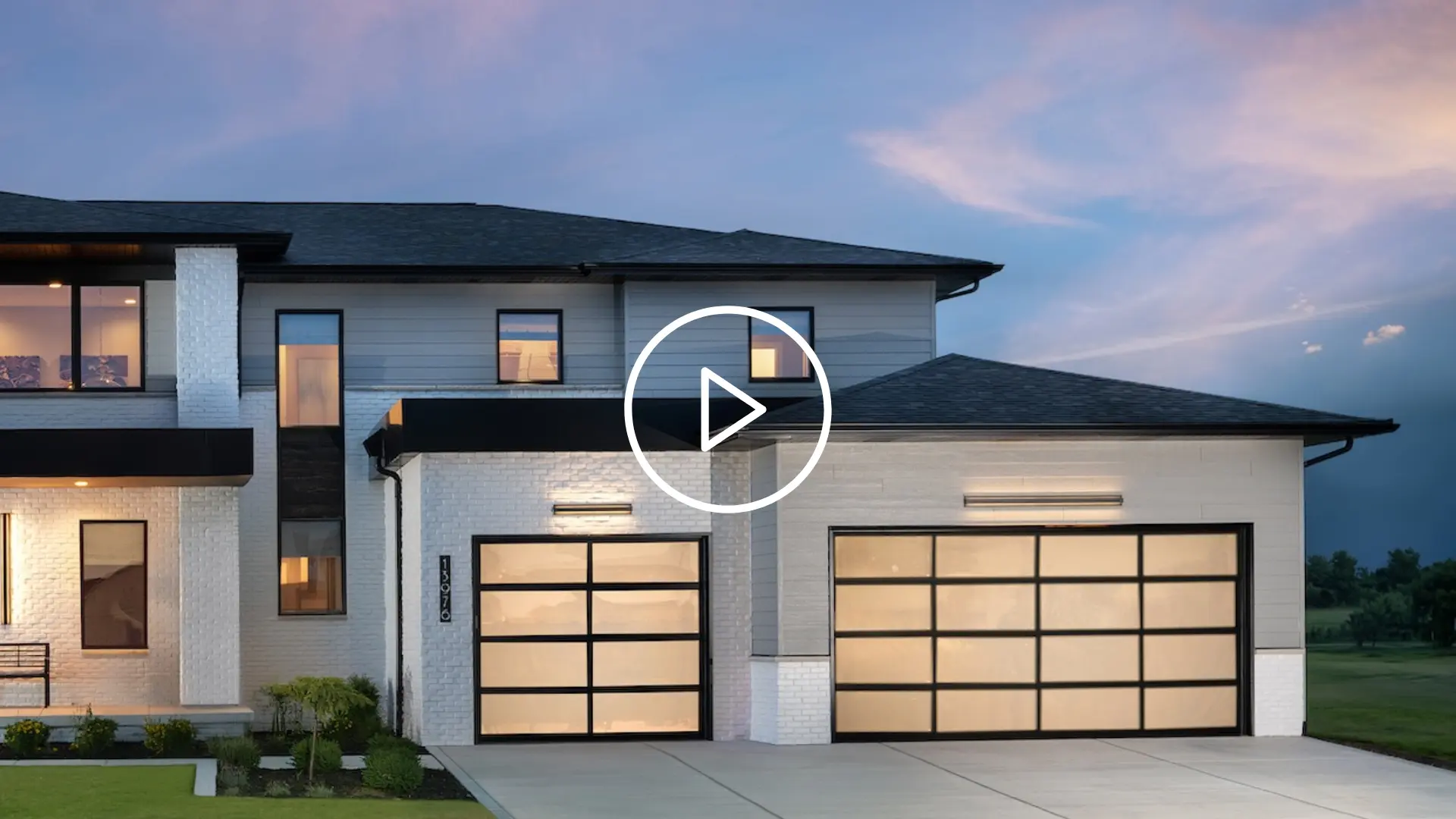
Gratifying Garages Designing the Most Underrated Space in Your Custom Home
When people dream about building a custom home, the garage rarely makes the highlight reel. Kitchens get mood boards. Primary suites get Pinterest folders. Outdoor living gets sketched and re-sketched.
But the garage? It is the one space nearly every family uses four or five times a day and the place where one overlooked detail becomes an everyday annoyance.
A well-designed garage quietly improves daily life. A poorly designed garage quietly frustrates you every single morning.
Based on thousands of AR Homes® designs and the most common real-world mistakes homeowners discover too late, here are the foundational principles for a functional, high-value garage in a custom home.
-
Start With Size: A Third Bay Is Better Than a Half Bay
A “two-and-a-half-car garage” sounds generous until you actually try to use it.
Most families today have:
-Two primary vehicles
-A teenage driver
-Bikes, golf carts, kayaks, lawn tools, freezers, storage bins
That half bay fills instantly.
The cost difference between 2.5 bays and a full 3-car garage is not huge and the resale value absolutely is. Many luxury buyers, especially in Florida, actively search for three-car garages to accommodate outdoor gear and daily lifestyle needs.
If the homesite allows it, choose three full bays. A third bay delivers utility. A half bay often delivers regret.
-
Choose the Right Garage Door Size
This is one of the most common garage design mistakes.
If you are parking two cars in one opening, choose an 18-foot door. A 16-foot door is “standard” but standard usually means difficult. Two cars through a 16′ opening requires precision parking every day. Most families simply give up. One car centers itself and the other sits in the driveway.
Prefer two single doors? Choose 9-foot openings. Eight-foot doors are too tight for SUVs and today’s vehicle sizes.
Always go with an 8-foot door height instead of 7 feet. It accommodates roof racks, modern SUV heights, and lifted vehicles. This is an upgrade you will appreciate hundreds of times.
-
Add a Keypad You Will Use More Than You Think
A keyless entry keypad costs less than $50 and instantly improves everyday convenience:
-Go for walks or runs without keys
-Kids can come and go safely
-No more lockouts
Install it low enough for kids to reach, or you will be patching holes when it gets moved later.
-
Choose the Right Garage Floor Finish
Bare concrete dusts, stains, and looks tired quickly. Top options for custom home garages:
-Epoxy coatings: Durable, easy to clean, and visually polished. Choose a hot-tire-rated formula to prevent peeling.
-Decorative flake flooring: Adds traction and hides dirt exceptionally well.
If you drive high-performance vehicles with hot tires, place small mats under the tires to protect the coating.
A clean, finished floor dramatically changes how this high-traffic space feels.
-
Depth and Width: Do Not Let Elevation Dictate Function.
Side-entry garages and tighter lots can create depth limitations. To comfortably park a full-size SUV:
-Minimum depth: 22 ft
-Ideal depth: 24 ft
Even 12–18 extra inches make a big difference. There is more room to walk behind vehicles, more space for storage, and fewer daily frustrations.
For width, plan ahead for wall shelving or cabinets. A few extra feet in the design stage prevents awkward side shuffles later.
A good builder balances function and curb appeal so you gain space without sacrificing elevation design.
-
Smart Storage Planning Prevents Daily Chaos
Garages become catch-all spaces unless storage is planned intentionally.
-Put kids’ bikes and toys near the exterior door, not the door into the house.
-Use overhead storage, especially the space above the front bumper, for seasonal décor, life jackets, and camping gear.
-Built-ins or metal shelving keep everything off the floor.
Storage is the difference between a garage that works and a garage that frustrates.
-
Proper Placement of Mechanical Equipment
Garages often house equipment like the:
-Air handler
-Water heater
-Water softener
-Electrical panel
Poor placement can eliminate parking space.
Best practices for functional garage layouts:
-Recess the air handler in the attic
-Choose tankless water heaters mounted on exterior walls
-Cluster mechanicals together to avoid blocking vehicle areas
A misplaced water heater can permanently erase half a bay. Plan early.
-
Add a Service Door and Make It Wide
A side service door lets you:
-Take out garbage
-Access yard tools
-Work outside
-Avoid opening the main door constantly
Plan a niche for garbage cans so they do not sit where a car should be. Ensure you can roll them out without moving a vehicle first.
-
Do Not Forget Traffic Patterns
Your garage is one of the most active areas of your home:
-Kids coming home from school
-Groceries coming in
-Toys and bikes going out
-Fishing gear, coolers, and sports bags passing through
-Pets often fed or housed nearby
Design the pathways with intention:
-Wide, clear walkways
-A drop zone inside the entry
-Storage away from vehicle paths
-Bright, safe lighting
A thoughtful layout supports your daily routine instead of competing with it.
Final Thought: Build the Garage That Supports Your Life
A garage is not glamorous, but in a custom home it becomes one of the most appreciated, yet underrated, spaces. It is where your day starts and ends, where your family moves in and out, and where projects, tools, and gear live.
A gratifying garage is simply one that works every single day without drawing attention to itself.
Design it thoughtfully, and you will feel the value every time the doors open.