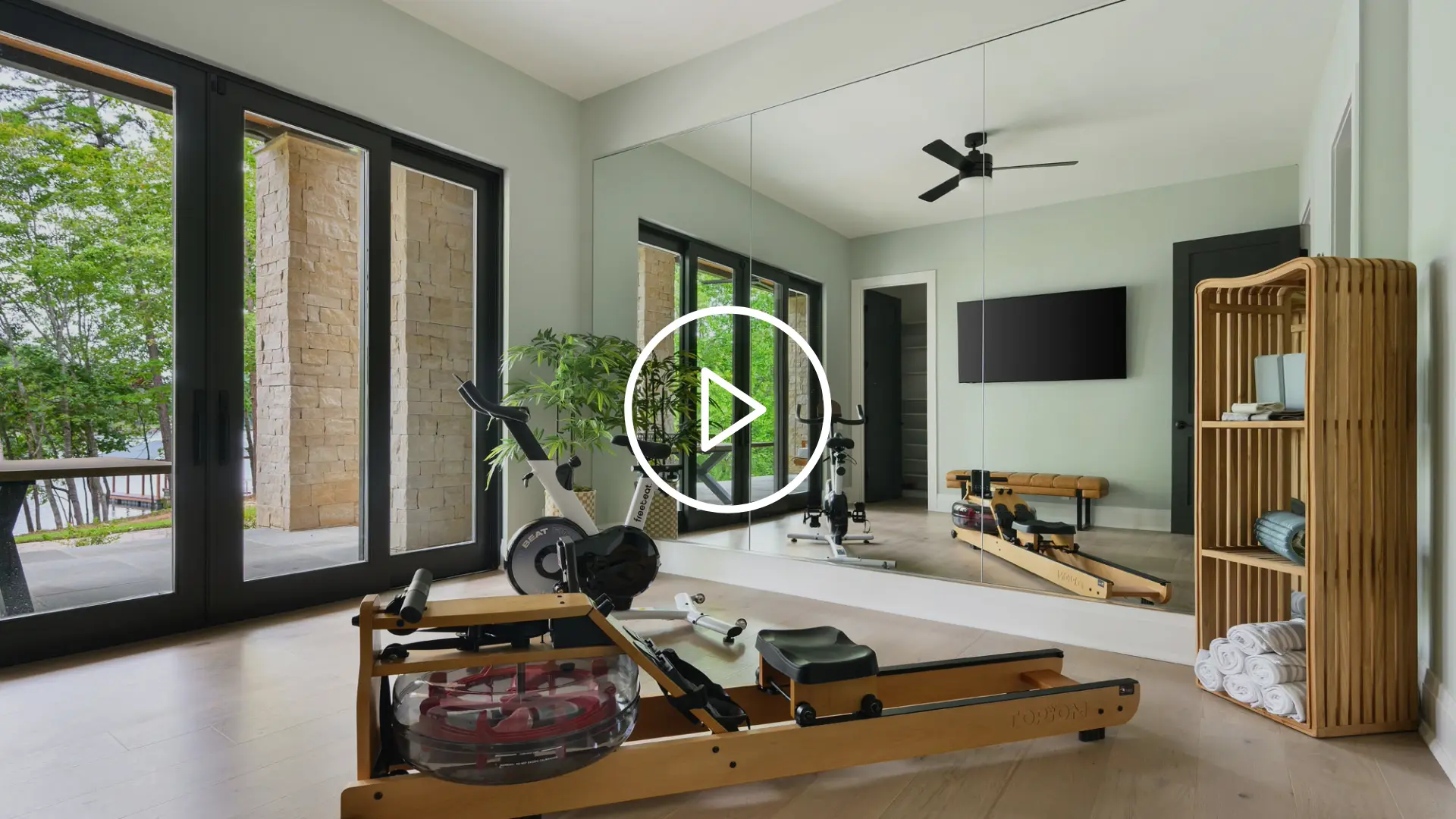
Creating the Perfect Home Gym: What to Consider Before You Build
Over time, homes have evolved from being places to live into spaces that support a complete lifestyle. One of the most requested features in modern custom homes is the home gym.
More than just a trend, a well-designed home gym provides convenience, flexibility, and a long-term investment in health. For homeowners over 50, it also supports strength, mobility, and longevity.
Why Home Gyms Are Gaining Popularity
The ability to work out on your own time without driving across town or waiting for equipment is a powerful motivator. A home gym makes it easier to stay consistent, even on the busiest days.
It does not mean you need to give up a commercial gym or fitness studio. Instead, it adds flexibility. Many homeowners find that simply having the option at home helps them maintain routines, whether it is a quick morning workout or stretching at the end of the day.
An Investment in Longevity and Quality of Life
For homeowners over 50, strength training plays an essential role in maintaining bone density, muscle mass, balance, and energy. These benefits go beyond fitness goals and directly impact independence and quality of life.
Although a home gym requires an upfront investment, it often pays for itself over time. Beyond savings on memberships or personal training sessions, the greater return is the improvement to daily life and potential reductions in long-term healthcare costs.
Selecting the Right Space
The design begins with understanding how you prefer to exercise. Weight training, yoga, cardio equipment, or guided workouts each require different considerations for space and layout.
A spare bedroom can easily be transformed into a gym. Other options include a bonus room, garage, or a space integrated into your custom floor plan. Ceiling height, flooring, ventilation, and natural light all influence how functional and inviting the gym feels.
Features Worth Considering
A few design details can transform a simple workout room into a motivating space:
-Flooring: Rubber or impact-resistant surfaces protect both joints and the home.
-Lighting: Natural light is ideal, but overhead and dimmable options create flexibility.
-Mirrors: Useful for monitoring form and technique.
-Technology: Wall-mounted screens, sound systems, or fitness app integration enhance the experience.
Taking the Gym Further
If space and budget allow, additional features can elevate the design:
-A sauna adds recovery and relaxation.
-Access to an adjacent bathroom or outdoor area adds convenience.
-Carefully selected equipment tailored to your needs makes the space more enjoyable.
A home gym does not need to replicate a commercial fitness center. The goal is to create a space that motivates you and fits your lifestyle.
Final Thoughts
In custom home design, the most valuable spaces are the ones that reflect how you want to live every day. A home gym is an example of this, combining convenience with long-term benefits for health and well-being.
When planning a new build or renovation, consider how a dedicated home gym can become an essential part of your home and lifestyle.